What Actually Affects Liver Health, Beyond Any Single Supplement
Alcohol intake, body weight, diet composition and sleep all measurably affect liver function — often more than any single supplement can.
Understanding the fuller picture helps set realistic expectations for what nutritional support can and cannot do on its own.
Alcohol intake is a major lever
Regular alcohol consumption is one of the most well-documented contributors to liver strain, and reducing intake is associated with measurable improvements in liver enzyme levels over weeks to months — an effect that can be larger than what most supplements claim to achieve.
Body weight and fatty liver risk
Excess body weight, particularly visceral fat, is strongly associated with non-alcoholic fatty liver disease risk. Even modest, sustained weight reduction is associated with measurable improvements in liver fat content in research.
Diet composition
Diets high in added sugar and refined carbohydrates are associated with increased liver fat accumulation, while diets rich in vegetables, fiber and healthy fats are associated with more favorable liver markers.
Sleep and metabolic health
Poor sleep is associated with insulin resistance and metabolic dysfunction, both of which are connected to liver health through shared metabolic pathways.
Medication and supplement load
The liver processes many medications and supplements. Regularly combining multiple products, including over-the-counter pain relievers, without medical guidance can add cumulative processing burden worth being mindful of.
Where nutritional support realistically fits
Applying this to Livarix
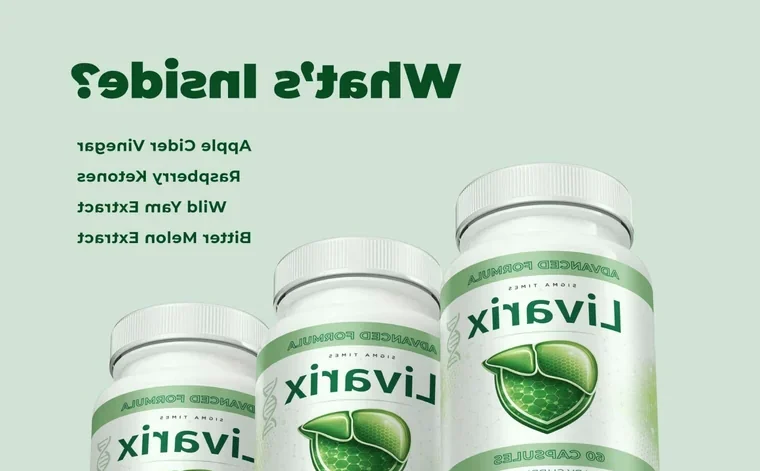
Formulas like Livarix are designed to supply nutrients relevant to liver cell support and bile flow, genuinely useful additions layered on top of the habits above, not a shortcut around them. If alcohol intake, body weight or diet are the actual bottleneck, no supplement, this one included, will fully offset that on its own.