Reading A Liver Formula Label: Why Disclosed Doses Matter
A proprietary blend lists ingredients but only discloses their combined total weight, not the amount of each individual ingredient — a common practice in the liver-support supplement category.
This makes it genuinely difficult to know whether any single ingredient is present at a meaningful amount, which is exactly why fully disclosed labels deserve credit.
What a proprietary blend actually hides
Consider a label listing ‘Liver Support Blend: 480mg’ followed by six ingredient names. That total could be almost entirely one cheap, high-volume ingredient with the other five present in trace, clinically meaningless amounts — and there is no way to tell from the label alone. This is not a hypothetical concern; it is a well-documented pattern in the supplement industry.
Why manufacturers use them
Proprietary blends are sometimes framed as protecting a formula from competitors copying it exactly. That may be true in some cases, but the practical effect for the buyer is the same either way: you cannot verify whether any ingredient is present at a research-relevant amount.
What a fully disclosed label looks like
A transparent label states the exact milligram amount for each ingredient individually. This allows a genuine, apples-to-apples comparison against published research doses for that specific ingredient — something a proprietary blend total simply does not allow.
What to check on any label
Applying this to Livarix
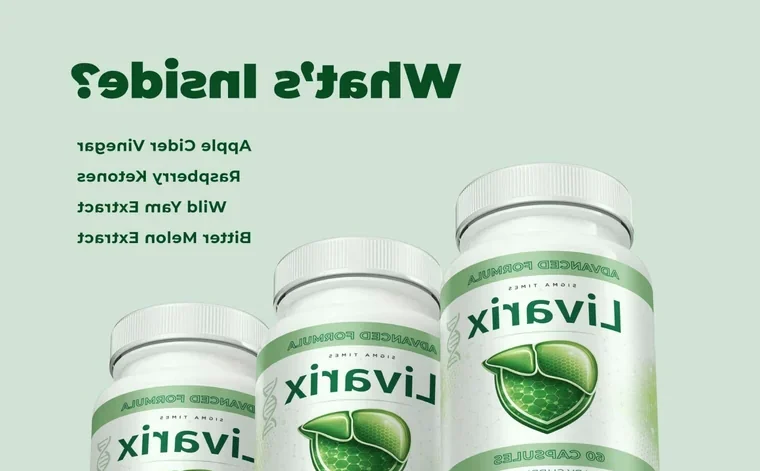
Livarix's label discloses every ingredient's individual amount, led by a 300mg Turmeric dose — a genuinely more transparent practice than the proprietary blends common elsewhere in this category. One caveat worth noting: published third-party coverage of this brand notes the amounts are listed as being 'inside every capsule,' so confirm against your actual bottle label whether that applies per capsule or across the full two-capsule daily serving.